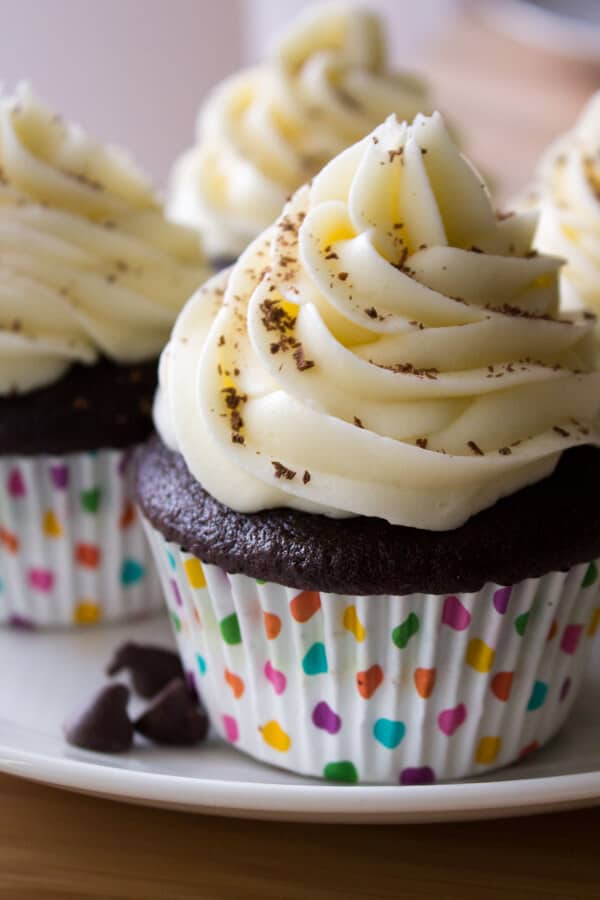
Mastering Chocolate Cupcakes & Chocolate Cream Cheese Frosting
There are few desserts that evoke pure joy quite like a perfectly baked chocolate cupcake. But elevate that simple pleasure with a swirl of rich, tangy, and impossibly smooth chocolate cream cheese frosting, and you’ve truly created a masterpiece. This iconic pairing of chocolate cupcakes chocolate cream cheese frosting isn't just a dessert; it's an experience – a delightful balance of deep cocoa notes and a creamy, slightly tart finish that leaves you craving more. Whether you're a seasoned baker or just starting your culinary journey, mastering this combination will earn you rave reviews and solidify your reputation as a dessert aficionado.
In this comprehensive guide, we'll delve into the secrets of creating both components from scratch, offering practical tips, ingredient insights, and troubleshooting advice to ensure your baking endeavors are a resounding success. Get ready to transform simple ingredients into extraordinary treats that will impress friends, family, and your own sweet tooth.
The Quest for the Perfect Chocolate Cupcake
A truly exceptional chocolate cupcake is more than just a cake; it's a moist, tender, and intensely chocolatey foundation that perfectly complements its topping. Achieving this requires attention to detail, from ingredient selection to baking technique.
Understanding Your Ingredients for Superb Chocolate Cupcakes
- Cocoa Powder: This is the heart of your chocolate flavor. For a deep, rich, almost black cocoa flavor, opt for Dutch-processed cocoa powder. It's less acidic than natural cocoa, resulting in a smoother, less bitter taste and often a darker color. Natural cocoa, however, can be used if the recipe calls for baking soda, as its acidity reacts with the soda for leavening.
- Flour: All-purpose flour is typically sufficient. Measure it correctly by spooning it into your measuring cup and leveling it off, rather than scooping, which can compact the flour and lead to a dense cupcake.
- Eggs: Always use large eggs at room temperature. Room temperature eggs emulsify better with other ingredients, creating a smoother batter and a finer crumb.
- Buttermilk: The acidity in buttermilk reacts with baking soda (if used) to create lift and contributes to a remarkably tender crumb and moist texture. If you don't have buttermilk, you can make a substitute: add 1 tablespoon of white vinegar or lemon juice to a liquid measuring cup, then fill with milk (dairy or non-dairy) to the 1-cup mark. Let it sit for 5-10 minutes until it slightly curdles.
- Hot Liquid (Coffee or Water): Many chocolate cupcake recipes call for hot water or coffee. Hot liquid helps to "bloom" the cocoa powder, intensifying its flavor significantly. Coffee, in particular, enhances chocolate flavor without making the cupcakes taste like coffee.
The Art of Mixing for Tenderness
Proper mixing technique is crucial for tender chocolate cupcakes. Begin by creaming together butter and sugar until light and fluffy – this incorporates air, contributing to a light texture. Add eggs one at a time, ensuring each is fully incorporated before adding the next. Gradually alternate adding your dry ingredients with your wet ingredients (like buttermilk), starting and ending with the dry. The golden rule here is to not overmix! Overmixing develops the gluten in the flour, resulting in tough, chewy cupcakes. Mix until just combined, with a few small lumps perfectly acceptable.
Baking for Perfection
Preheat your oven to the correct temperature. An oven thermometer can be incredibly helpful as many ovens run hot or cold. Line your muffin tin with paper liners and fill each about two-thirds full. This allows room for the cupcakes to rise without overflowing. Bake until a wooden skewer or toothpick inserted into the center of a cupcake comes out with moist crumbs, not wet batter. Avoid opening the oven door too frequently during baking, as this can cause temperature fluctuations and affect the rise. Once baked, let them cool in the muffin tin for 5-10 minutes before transferring them to a wire rack to cool completely. Cooling completely is non-negotiable before frosting; otherwise, your beautiful frosting will melt into a messy puddle.
Crafting the Dreamy Chocolate Cream Cheese Frosting
While the cupcake sets the stage, the chocolate cream cheese frosting is the star that brings the whole performance to life. Its unique balance of sweet, tangy, and rich chocolate makes it irresistibly decadent. To understand Why Chocolate Cream Cheese Frosting Elevates Your Cupcakes, you need to understand its components.
Key Ingredients and Their Role in Chocolate Cream Cheese Frosting
- Cream Cheese: Use full-fat, block cream cheese, not the whipped or spreadable kind from a tub. The latter has a higher water content and will result in runny frosting. Ensure it's softened to room temperature for smooth results.
- Unsalted Butter: Also at room temperature. This provides richness and stability. Using unsalted butter allows you to control the salt content.
- Powdered Sugar (Confectioners' Sugar): This provides sweetness and structure. Sifting it before adding is highly recommended to prevent lumps and ensure a silky-smooth frosting.
- Cocoa Powder: Just like with the cupcakes, Dutch-processed cocoa powder is excellent here for a deep, dark chocolate flavor. Sift it along with the powdered sugar.
- Vanilla Extract: A good quality vanilla extract enhances all the other flavors.
The Whipping Wonders for Silky Smoothness
The key to perfect chocolate cream cheese frosting lies in the mixing technique. First, beat the softened cream cheese and butter together until incredibly smooth and creamy, with no lumps whatsoever. This step is critical. Then, gradually add the sifted powdered sugar and cocoa powder, a cup at a time, beating on low speed until combined, then increasing to medium-high until light and fluffy. Finish with vanilla extract. Be careful not to overbeat the frosting once the powdered sugar is added, especially after it has become fluffy. Overbeating can incorporate too much air, which can cause the frosting to become too soft and runny, and lose its structure, making it difficult to pipe.
Troubleshooting Common Frosting Issues
- Too Runny: If your frosting is too soft, it might be due to overbeating (which warms the ingredients), using cold cream cheese, or not enough powdered sugar. Try chilling the frosting for 15-30 minutes, then re-whipping briefly. You can also carefully add more sifted powdered sugar, 1/4 cup at a time, until the desired consistency is reached.
- Too Thick: If it's too thick, add a tiny splash of milk or cream (1 teaspoon at a time) and beat until smooth.
- Grainy Texture: This usually means your cream cheese and/or butter weren't soft enough, or the powdered sugar wasn't sifted. Unfortunately, a truly grainy frosting is hard to salvage perfectly, but you can try warming a small portion, melting it, and stirring it back in very gradually.
The Symphony of Flavors: Pairing and Presentation
Once your exquisite chocolate cupcakes chocolate cream cheese frosting are ready, it's time to bring them together and add the finishing touches.
Complementary Toppings and Garnish
While the frosting itself is divine, a thoughtful garnish can elevate the presentation and add an extra layer of texture or flavor:
- Chocolate Shavings or Curls: A classic and elegant choice.
- Mini Chocolate Chips: Adds a delightful crunch.
- Sprinkles: Fun and festive, especially for celebrations.
- Fresh Berries: Raspberries or strawberries offer a beautiful color contrast and a refreshing tangy counterpoint.
- Dusting of Cocoa Powder: Simple yet sophisticated.
Mastering the Art of Frosting Application
There are many ways to frost a cupcake, each adding its own charm:
- Piping Bag with Nozzle: For professional-looking swirls, rosettes, or other intricate designs. A large star tip (like Wilton 1M) is perfect for classic swirls.
- Offset Spatula: For a rustic, freehand look, simply spread the frosting generously over the cooled cupcake.
- Knife or Spoon: A simple, homey approach that's quick and easy.
No matter your method, ensure your cupcakes are completely cool before frosting to prevent melting.
Storage and Shelf Life
Due to the cream cheese, these frosted delights need to be refrigerated. Store frosted chocolate cupcakes in an airtight container in the refrigerator for up to 3-4 days. Allow them to come to room temperature for about 30 minutes before serving for the best flavor and texture of both the cupcake and the frosting. Unfrosted cupcakes can be stored at room temperature in an airtight container for 2-3 days, or frozen for up to 3 months. The frosting can also be made ahead and stored in an airtight container in the refrigerator for up to 5 days. Re-whip briefly before using, adding a splash of milk or cream if needed to regain desired consistency.
Essential Tips for Success
Baking is a science, but also an art. Here are some overarching tips to ensure your Bake the Best Chocolate Cupcakes & Chocolate Cream Cheese Frosting:
- Read the Recipe Carefully: Before you even start, read through the entire recipe. This helps you understand the steps and gather all necessary ingredients and equipment.
- Use Quality Ingredients: Especially for key components like cocoa powder, butter, and cream cheese. The quality of your ingredients directly impacts the final taste.
- Room Temperature Matters: For both the cupcakes and the frosting, ensuring your butter, eggs, and cream cheese are at room temperature is paramount for proper emulsification and a smooth, consistent product.
- Don't Rush the Cooling: Patience is a virtue in baking. Fully cooled cupcakes prevent melted frosting disasters.
- Invest in Good Tools: A kitchen scale for precise ingredient measurement, an oven thermometer, and a sturdy stand mixer or hand mixer will make your baking life much easier and more consistent.
- Taste As You Go (Where Appropriate): Taste your frosting before you declare it finished. Does it need more vanilla? A pinch more salt? A little more sugar?
Conclusion
From the first crumb of a tender, moist chocolate cupcake to the luscious, tangy swirl of chocolate cream cheese frosting, this dessert combination is truly a match made in heaven. By understanding the science behind your ingredients, practicing careful technique, and paying attention to crucial details like temperature and mixing, you can consistently create stunning and delicious results. We hope this comprehensive guide empowers you to bake with confidence, transforming simple ingredients into an unforgettable experience. So go ahead, don your apron, preheat your oven, and delight in the process of mastering the art of chocolate cupcakes chocolate cream cheese frosting – your taste buds will thank you!
