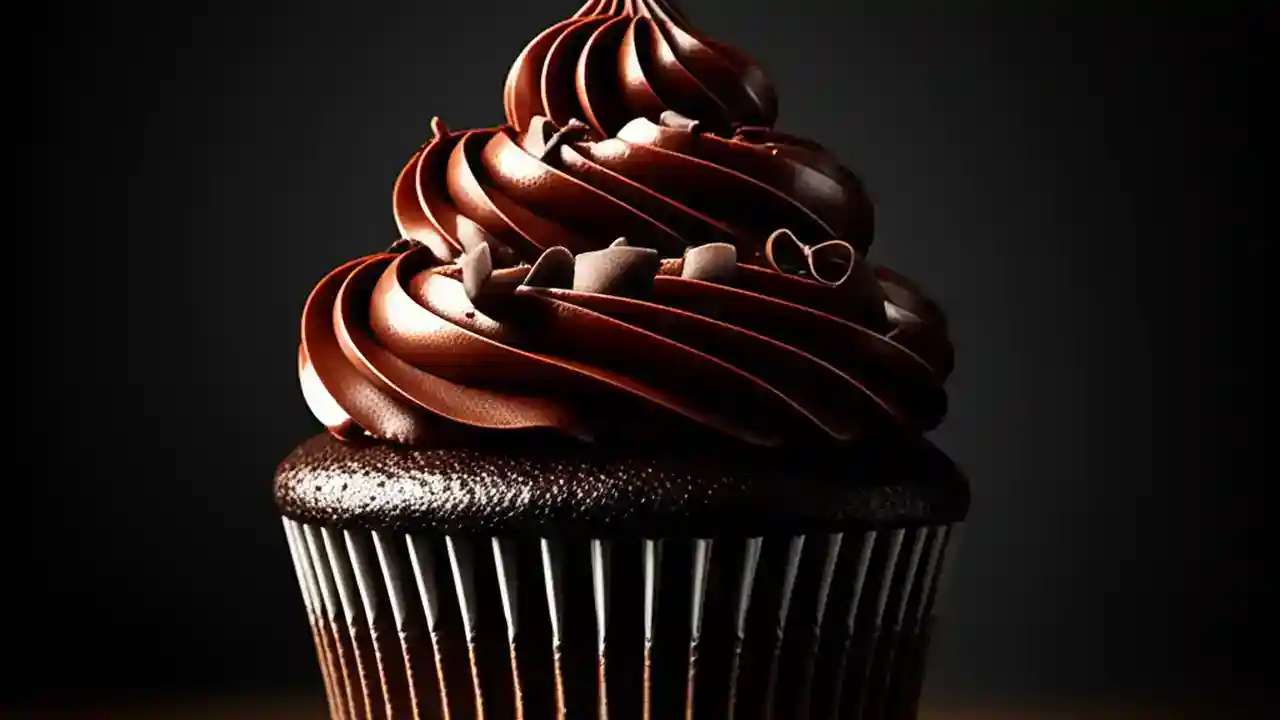
Mastering the Art of Moist Chocolate Cupcakes & Piped Cream Cheese Frosting
There’s a special kind of magic that happens when rich, tender chocolate cupcakes meet a luscious, tangy cream cheese frosting. It’s a pairing so universally beloved that it frequently tops the charts in bakeries and home kitchens alike. If you've ever dreamt of creating those perfectly moist, intensely chocolatey cupcakes crowned with a beautifully piped, silky smooth chocolate cream cheese frosting that holds its shape, you're in the right place. This comprehensive guide will arm you with the pro tips and insider secrets to transform your baking from good to absolutely unforgettable. Get ready to impress your friends, delight your family, and satisfy every chocolate lover’s craving with these irresistible homemade treats!
The Secret to Super Moist Chocolate Cupcakes That Stay Fresh
Achieving that melt-in-your-mouth, super moist texture in a chocolate cupcake is the foundation of an exceptional dessert. While many recipes exist, the key lies in understanding the ingredients and techniques that lock in moisture.
One popular and highly effective method for ensuring long-lasting moisture is the use of **oil instead of butter** as the primary fat. Unlike butter, which is a solid fat at room temperature and contains water, oil is a liquid fat. This means it creates a finer, more even crumb structure and keeps the cupcakes incredibly soft and moist for days. Recipes utilizing oil often boast a simpler mixing process, sometimes not even requiring an electric mixer, making them perfect for busy bakers or impromptu celebrations. This approach is fantastic for achieving truly
Super Moist Chocolate Cupcakes with Silky Cream Cheese Frosting that will be the talk of any gathering.
However, some bakers swear by butter for its unparalleled flavor depth. If you prefer the rich, nuanced taste that butter imparts, don't despair! You can still achieve a wonderfully moist cupcake. The secret here lies in the creaming method:
- Room Temperature Butter and Sugar: Begin by creaming softened, room-temperature butter with sugar until it’s light, fluffy, and pale in color. This process incorporates air, contributing to a tender crumb.
- Egg Emulsification: Add room-temperature eggs one at a time, mixing well after each addition. The eggs emulsify with the butter and sugar, creating a stable base.
- Alternating Wet and Dry: Introduce dry ingredients (flour, cocoa powder, leavening agents) and liquid ingredients (like water, milk, or buttermilk) in alternating additions. This ensures proper gluten development and prevents overmixing.
Beyond the choice of fat, another superstar ingredient for moisture is
sour cream or Greek yogurt. The acidity in these dairy products not only reacts with baking soda to create a lighter crumb but also breaks down tough gluten strands, resulting in an incredibly tender and moist cupcake. Even a small amount can make a significant difference.
When it comes to mixing, whether you're using oil or butter, be mindful not to overmix the batter once the dry ingredients are added. Overmixing develops gluten too much, leading to tough, dense cupcakes. Mix just until combined, scraping down the bowl as needed.
Finally, proper baking is crucial. Use a cookie scoop to portion out the batter evenly into lined muffin pans; this ensures uniform baking and consistent cupcake size. Bake at 350°F (175°C) for approximately 20-22 minutes, or until a light touch to the center of a cupcake causes it to spring back. Overbaking is the enemy of moisture, so keep a close eye on them! Once baked, allow your chocolate cupcakes to cool completely on a wire rack before even thinking about frosting them. Warm cupcakes will melt even the most stable chocolate cream cheese frosting into a sad puddle.
Crafting the Perfect Piped Chocolate Cream Cheese Frosting
A truly outstanding chocolate cupcake deserves an equally exceptional frosting. Our goal is a chocolate cream cheese frosting that is not only bursting with flavor but also silky smooth and firm enough to pipe beautifully. This is where many home bakers encounter challenges, but with a few pro tips, you'll master it.
The biggest debate and perhaps the most critical factor for pipeable cream cheese frosting is the temperature of your cream cheese.
- For a Stable, Piped Frosting: Many professional bakers (and the first source in our context) swear by using cold cream cheese. When cream cheese is cold, it's firmer and provides more structure to the frosting, making it less likely to become runny, especially when combined with whipped butter and powdered sugar. This is ideal when you want to achieve defined swirls and intricate designs.
- For a Softer, Spreadable Frosting: If your goal is a softer, more spreadable frosting (as suggested by the second source’s mention of room temperature), then room temperature cream cheese works well. However, for elegant piping, the cold approach is generally preferred.
Regardless of your cream cheese temperature, your
butter should always be at cool room temperature. This means soft enough to indent with your finger, but still holding its shape. Butter that is too warm will result in a greasy, unstable frosting. Begin by beating the butter (and cold cream cheese, if using that method) in a stand mixer fitted with a paddle attachment (or with an electric hand mixer) until it’s perfectly smooth and free of lumps. This can take several minutes.
Next, it's time for the powdered sugar. Sift your powdered sugar to eliminate any lumps, which can ruin the smooth texture of your frosting. Add it gradually, perhaps in two or three additions, mixing on low speed until just incorporated after each addition. This prevents a "sugar cloud" from engulfing your kitchen! Incorporate your cocoa powder (Dutch-processed cocoa often gives a darker color and richer flavor, but natural cocoa works too) and a splash of vanilla extract for depth of flavor.
The golden rule for cream cheese frosting is:
do not overmix! Overmixing is the most common culprit behind runny, "broken" cream cheese frosting. Cream cheese is delicate; when over-beaten, it can lose its emulsion, separating and becoming liquid. Once all ingredients are incorporated, beat only until the frosting is light, fluffy, and smooth – usually just 2-3 minutes on medium-high speed after the last of the powdered sugar is added. If your frosting seems too soft, try chilling it in the refrigerator for 15-30 minutes before piping; this often helps it firm up.
Elevating Your Cupcake Experience: Pro Piping Techniques & Finishing Touches
With your perfectly moist chocolate cupcakes cooled and your stable, silky chocolate cream cheese frosting ready, it’s time for the artistic touch – piping! This step not only makes your cupcakes look professional but also adds an element of joy to the baking process.
First, select your piping tip. A popular choice for these chocolate cream cheese frosted beauties is a
star tip (like a Wilton 1M or 2D), which creates beautiful rosettes and swirls. For a simpler, elegant look, a large round tip (Wilton 1A) or even a French star tip works wonderfully. Fit your piping bag with your chosen tip. To fill the bag easily, fold the top edges of the bag over your hand or place it in a tall glass, then scoop in your frosting. Twist the top of the bag to seal, pushing the frosting down towards the tip.
When piping, apply steady, even pressure to the bag. For classic swirls, start in the center of the cupcake and pipe outwards in a circle, then spiral inwards, overlapping slightly, until you reach the center again. For a simpler dome, start at the edge and pipe in concentric circles towards the center. Practice on a plate first if you're new to piping – it takes a little getting used to! Don’t be afraid to experiment; even a simple dollop spread with the back of a spoon can be charming.
To truly elevate your
Easy Homemade Chocolate Cupcakes with Rich Cream Cheese Frosting, consider adding some delightful finishing touches:
- Chocolate Shavings or Curls: A sophisticated touch, easily made with a vegetable peeler and a bar of chocolate.
- Chocolate Sprinkles: A classic and fun addition, especially for parties.
- A Dusting of Cocoa Powder: For an extra hit of chocolate and an elegant presentation.
- Mini Chocolate Chips: A textural contrast that chocolate lovers will adore.
These chocolate cupcakes with chocolate cream cheese frosting are best enjoyed at room temperature, allowing the full depth of flavors to shine. However, due to the cream cheese in the frosting, it's best to store any leftovers in an airtight container in the refrigerator. Bring them back to room temperature for about 20-30 minutes before serving for the best taste and texture.
Conclusion
Crafting the perfect batch of moist chocolate cupcakes with a stable, piped chocolate cream cheese frosting is a deeply rewarding experience. By understanding the nuances of ingredient temperatures, mixing techniques, and the delicate balance required for a flawless frosting, you can transform simple ingredients into a show-stopping dessert. Whether you prefer the enduring moisture of oil-based cupcakes or the rich flavor of butter, and whether you opt for cold cream cheese for pipeability or room-temp for spreadability, these pro tips will guide you to success. So, grab your apron, preheat your oven, and get ready to bake some truly incredible chocolate cupcakes that will have everyone asking for your secret recipe!